
Shooting in the Florida Heat: How to Protect Your Camera and Crew
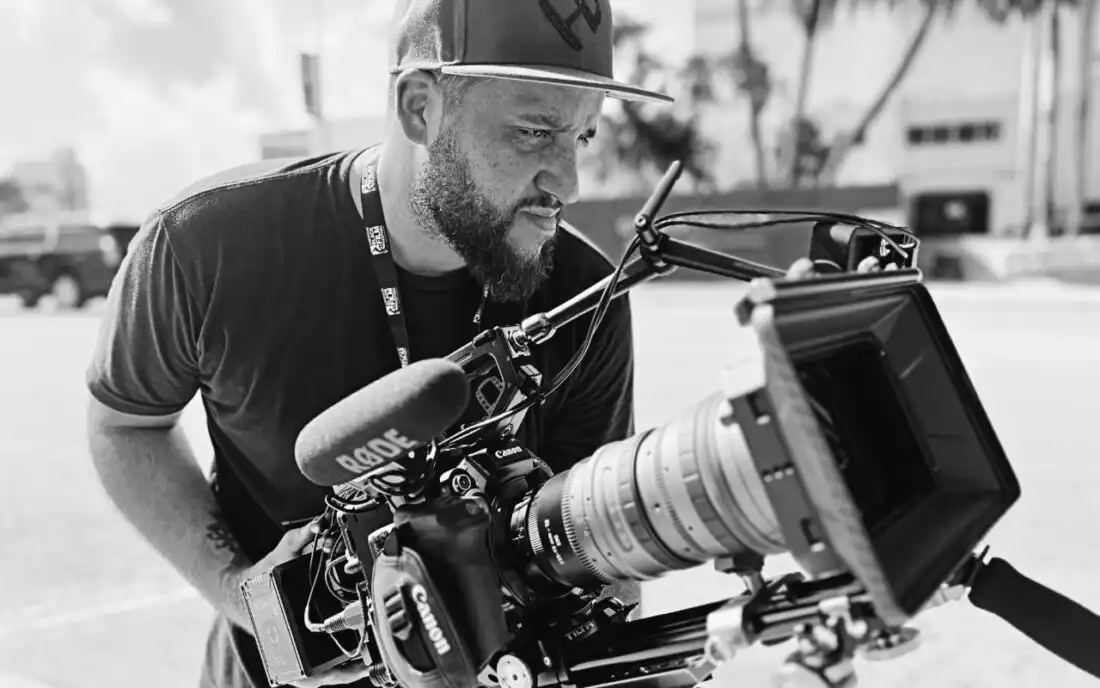
Let’s just get this out of the way: Florida summer is hot. Not “it’s a little warm.” Hot. Shooting in the Florida heat requires preparation, not just for the camera, but for the people operating it.
How hot? Hot enough that your camera operator is sweating through their shirt and your camera assistant is begging for mercy. Eventually, someone on set says, “How much longer?”
Shooting in the Florida heat: protect the crew first
Your camera is expensive. Your crew is more important. Keep that order in mind, because every decision about shooting in the Florida heat should start with the people.
Start by building breaks into the schedule. When breaks are part of the plan from the beginning, they actually happen, even on a busy day. Then provide shade, using tents, canopies, umbrellas or whatever practical shade is available.
And keep people hydrated. Which brings me to one of my biggest production pet peeves: cold water.
Please, bring cold water
I’ve been on productions where someone brings cases of water and then leaves them sitting in the Florida sun. Congratulations. You now have warm plastic bottles.
That’s not hydration. That’s disappointment. And it happens even when someone did the right thing by bringing plenty of water in the first place.
Have coolers with plenty of ice or a reliable way to keep water cold throughout the day. It sounds ridiculously basic. It is. And yet productions forget it all the time.
Don’t rely on water bottles sitting in the sun
A case of water sitting beside the grip truck isn’t a hydration plan. A real plan keeps the water cold all day and puts it within easy reach of the people who need it. Here’s what that takes:
- Large coolers
- Ice
- Insulated water containers
- Reusable bottles
- Electrolyte drinks when appropriate
Then put the water where the crew actually works. If people have to walk 200 feet to get water, they’re going to drink less of it.
In practice, that means the water moves with the shoot. When the camera moves to a new spot, the cooler should follow. That way, a cold drink is always close by instead of a long walk away.
Your camera has limits too
Manufacturers design modern professional cameras to operate in a range of temperatures. But that doesn’t mean they enjoy sitting in direct Florida sun for eight hours.
Heat can affect the camera’s operating temperature, and the camera isn’t the only thing at risk. Heat can also affect your batteries, your media and your monitors. Wireless systems, lighting equipment and drones feel it too.
If you’re newer to production, “media” simply means the memory cards or drives the camera records to. So when heat affects your media, it’s affecting the cards or drives that hold your footage.
That’s a long list, and only one item on it is about the camera itself. So if you’re shooting in the Florida heat, plan for all of it, not just the camera body.
Check the manufacturer’s specifications
The exact operating specifications vary by camera, so check the manufacturer’s documentation. For example, Canon lists guaranteed operating conditions for cameras such as the C80 and C400 up to approximately 45°C/113°F under specified conditions.
That doesn’t mean you should intentionally bake a camera in the sun at 113°F. A rated limit tells you what the camera can handle under the conditions the manufacturer specifies. It isn’t a goal to aim for on a hot afternoon.
Shade your camera
This is one of the easiest things you can do. If the camera is sitting on a tripod outside, don’t let it sit directly under the Florida sun if you can avoid it.
Use an umbrella, a camera cover, overhead shade, or another appropriate solution. Any of them keeps the direct sun off the camera while it waits on the tripod.
Be careful with anything that restricts airflow around the camera, though. A cover wrapped too tightly can hold the heat in instead of keeping it out. The goal is shade, not turning your camera into a little insulated oven.
Don’t immediately blast hot equipment with cold air
If equipment has become extremely hot, avoid doing anything extreme or exposing it to condensation. Moving equipment from a very hot, humid environment into a heavily air-conditioned space can create condensation issues.
Condensation is the water that forms when warm, humid air cools and can no longer hold all of its moisture. Moisture is the last thing you want on your equipment, so give it time to acclimate when appropriate. In other words, let the gear adjust to the new temperature gradually instead of all at once.
And if your camera is showing an overheating warning? Listen to it. The warning is there to protect the camera, so treat it as a stop sign, not a suggestion. Don’t keep recording until the camera becomes a very expensive brick.
Batteries don’t love heat either
Keep spare batteries out of direct sunlight. Don’t leave them sitting on a dashboard or in a hot vehicle.
The same applies to media cards and other sensitive electronics. A production vehicle can become an oven incredibly quickly in Florida.
It’s easy to watch the battery on the camera and forget about the spares waiting for their turn. Those spares, along with your cards, need the same protection from the sun as the camera itself.
The schedule matters in the Florida heat
If you’re filming outdoors in the middle of July, consider whether every shot actually needs to happen at 2 PM. Early morning can be beautiful. Late afternoon can be beautiful. Midday can be brutal.
In practice, that means going through the schedule one shot at a time. If a shot doesn’t need the middle of the day, plan it for the early morning or late afternoon instead. Your crew spends less time in the worst of the heat, and the light can look better too.
Sometimes the best production decision isn’t buying another piece of equipment. It’s moving the call time.
The call time is the time the crew is due on set. When you’re shooting in the Florida heat, moving it into the early morning or late afternoon can do more than another piece of gear.
Take care of your people
Watch for signs of heat illness. If someone becomes confused, unusually weak, dizzy or nauseated, develops a severe headache, or shows other concerning symptoms, don’t just tell them to “drink some water.”
Get them into a cool environment and seek appropriate medical help. A production schedule is never more important than someone’s health.
On a busy day, it can feel easier to hand someone a bottle and keep shooting. Don’t. Those symptoms call for a real response, and the shot can wait.
Florida filmmaking rule #1
Bring the equipment you need. Bring backups, because heat can affect so much of your gear, from batteries to monitors. Bring rain protection. And for the love of filmmaking, bring cold water.
Every item on that list comes back to preparation. The first three protect the shoot, and the last one protects the people, which is where shooting in the Florida heat has to start.
Your crew will remember it. They may even forgive you for the 5:00 AM call time.
Let’s Make Something
Planning a shoot in South Florida? We’re based here and serve productions throughout Broward, Miami-Dade and Palm Beach counties. Our production crew includes camera operators, DPs, ACs, gaffers, grips, sound professionals and drone operators, and our camera and equipment rentals can be delivered to your location. When you want one team handling the project from planning through post, our video production services cover every stage.
Not every project starts with a finished script, and our creative development support can help shape the story before the cameras roll. All of our production services are built around your project, and our portfolio covers documentary, commercial and branded work. As a small, owner-led production company, we keep communication direct. Tell us about your project, get a quote or call 954-249-0702.